













Valerian Tea: Earthy Flavor, Brewing and Pairings
Valerian root has been brewed as an evening infusion in Europe for centuries, and it divides drinkers like few herbs do. Some love their nightly cup; others try it once and do not come back to it. The difference often comes down to practicalities rather than the herb itself — timing, brew strength, and habit. This guide covers how to brew valerian tea and how to adjust the practical levers so the evening cup suits you.
One thing first: valerian is a traditional herbal beverage, not a medicine, and nothing here is medical advice. If you have a health condition, or you take any medication, talk to a doctor or pharmacist before making valerian a habit.
What Valerian Actually Is
The tea comes from the dried root of Valeriana officinalis, a tall flowering plant native to Europe and Asia. The root is the part with the character — and character it has: earthy, woody, slightly bitter, with a musky smell that people politely call distinctive. (The smell mellows considerably once brewed; the flavor is far tamer than the open bag suggests.)
Drinking valerian in the evening is a long tradition: it has been brewed across Europe for generations, and it remains a common ingredient in commercial herbal blends. Individual taste varies widely — which is exactly why the adjustable variables below matter.
Why Some Drinkers Give Up on Valerian
Most complaints about valerian trace back to three practical causes. The first is timing: a cup gulped down as the very last thing of the day is rushed rather than enjoyed. The second is strength: heavy-handed brewing — several teaspoons, very long steeps, or strong commercial blends — makes a far more intense, bitter cup than most people intend. The third is habit: a nightly strong cup, week after week, can tire the palate in a way an occasional one does not.
Every one of those has an easy adjustment, and none requires giving up the evening cup.
Timing Tweaks Worth Trying
Drink the cup earlier in the evening rather than as the last act of the day. Drinking it earlier leaves time to enjoy the warm drink at an unhurried pace, instead of gulping it down.
Skip the second cup — a refill only adds more root and more bitterness. And if valerian has been a nightly habit for a stretch, building in an occasional week off is a sensible rhythm many herbal drinkers follow.
Strength and Brewing
A moderate starting point: one teaspoon of dried root per 250 ml of water at about 90°C, steeped covered for ten minutes, then strained. The cover matters — valerian's aromatic compounds are volatile, and an open mug steams them away.
For a first week, try half that amount. It is much easier to judge whether you like the flavor starting light than after a too-strong introduction. Blends are the other route to a milder-tasting cup: valerian cut with lemon balm, chamomile, or lavender dilutes the root naturally while making the cup considerably better-tasting.
On flavor: honey and a slice of lemon are the classic corrections if the earthiness is not your taste. Nothing is wrong with your root — that is simply what valerian tastes like.
Morning Habits Worth Keeping
Three simple habits make a good start to any day. Bright light as soon as possible — daylight if you can get it — is the first. A short walk, even ten minutes, is the second, before reaching for another coffee. And a glass of water before the first caffeine is the third.
Frequently Asked Questions
Does the timing-and-strength approach suit everyone? No — tastes in valerian genuinely differ from person to person. The levers here make it easier to find a version you enjoy, but some people simply prefer a different evening herb, like chamomile or lemon balm.
Can I drink valerian every night? Many people do enjoy it nightly. Moderation and occasional breaks are the sensible pattern, and anything beyond beverage territory is a question for a professional.
What if I feel drowsy the day after? Take it seriously rather than adjusting the brew around it. If real drowsiness persists into activities like driving, stop the evening cup and get proper advice.
Small Levers, Better Cup
Brew moderately, drink early in the evening, and keep the measure honest. Change one variable at a time and give each a few evenings — that is the quickest way to find the version of the cup that suits you, or to learn that a milder-tasting herb suits you better.
Lämna en kommentar
Kommentarer granskas innan de visas.
Mer i Valley of Tea Blog | Tea Guides, Origins & Brewing Tips
The Complete Guide to Drinking Tea
What tea is, how the main types differ in the cup, and how to brew each one properly. Water temperature, steeping times, storage and how to get more than one cup from your leaves.
Läs mer

Black Tea: Types, Processing, and How to Brew It
Black tea is fully oxidized Camellia sinensis. Compare Assam, Darjeeling, Keemun, and Ceylon varieties. Learn processing, brewing, and caffeine levels.

How To Grow Black Tea
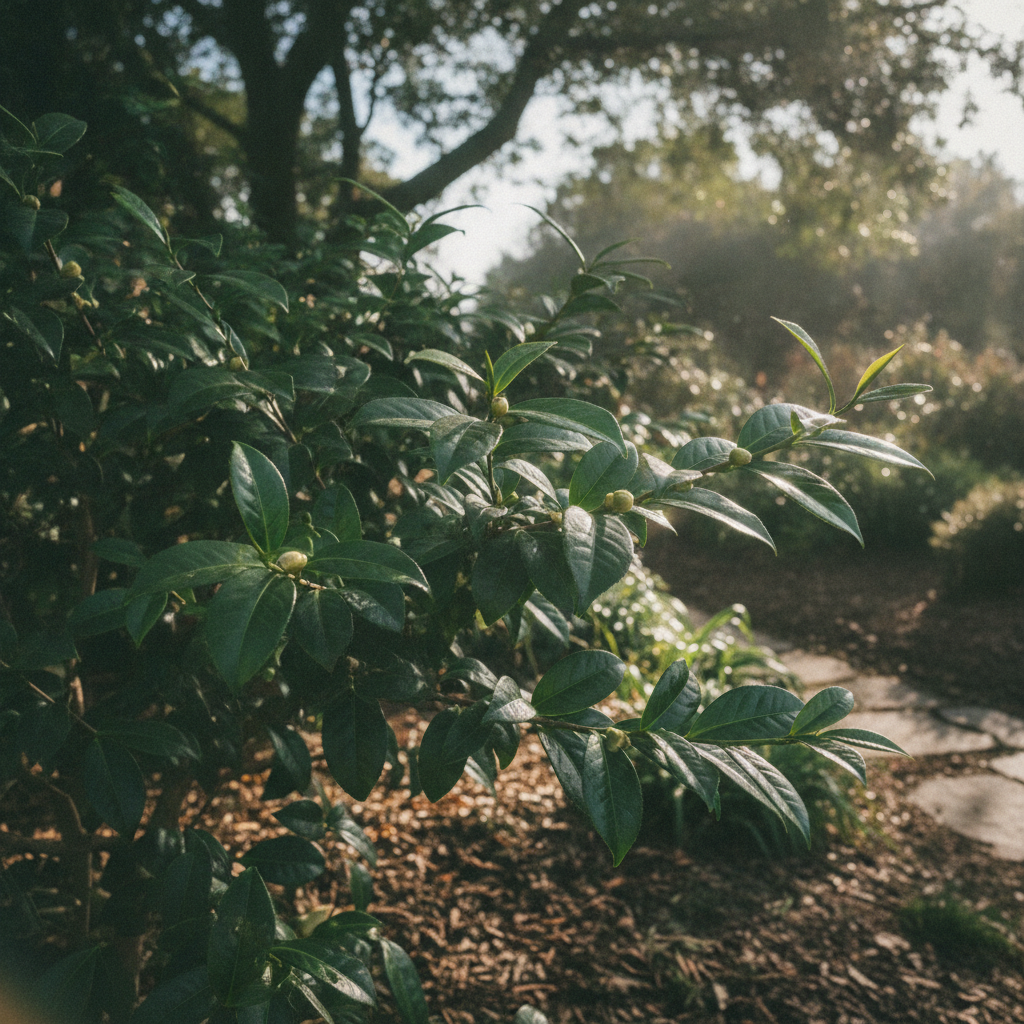
Learn how to grow black tea at home: soil, climate, and the five processing steps from fresh leaf to a finished cup of black tea.

Visdom är vägen till bättre te.
Få vår kostnadsfria bryggguide: rätt vatten, temperatur och dragtid för varje te vi säljer. Du får också veta först när nya skördar kommer in.
Ingen skräppost. Avsluta när du vill.
Kolla din inkorg.
Guiden är på väg.