












Can Children Drink Lemon Balm Tea?
Children can drink lemon balm tea, but the right answer depends on age, dilution, and how often you give it. Melissa officinalis has a long history in European households as a mild, lemony herbal tea, and it is one of the herbal teas parents ask about most for children. The practical question is what age, amount, and preparation is appropriate. This post gives you specific guidance for each age group.
Lemon Balm Tea and Children: The Background
Lemon balm is a mild, lemon-scented herb from the mint family, and it has a long history as a household herbal tea across Europe. In Germany, where the herb is called Melisse, lemon balm tea is as familiar on supermarket tea shelves as peppermint or chamomile.
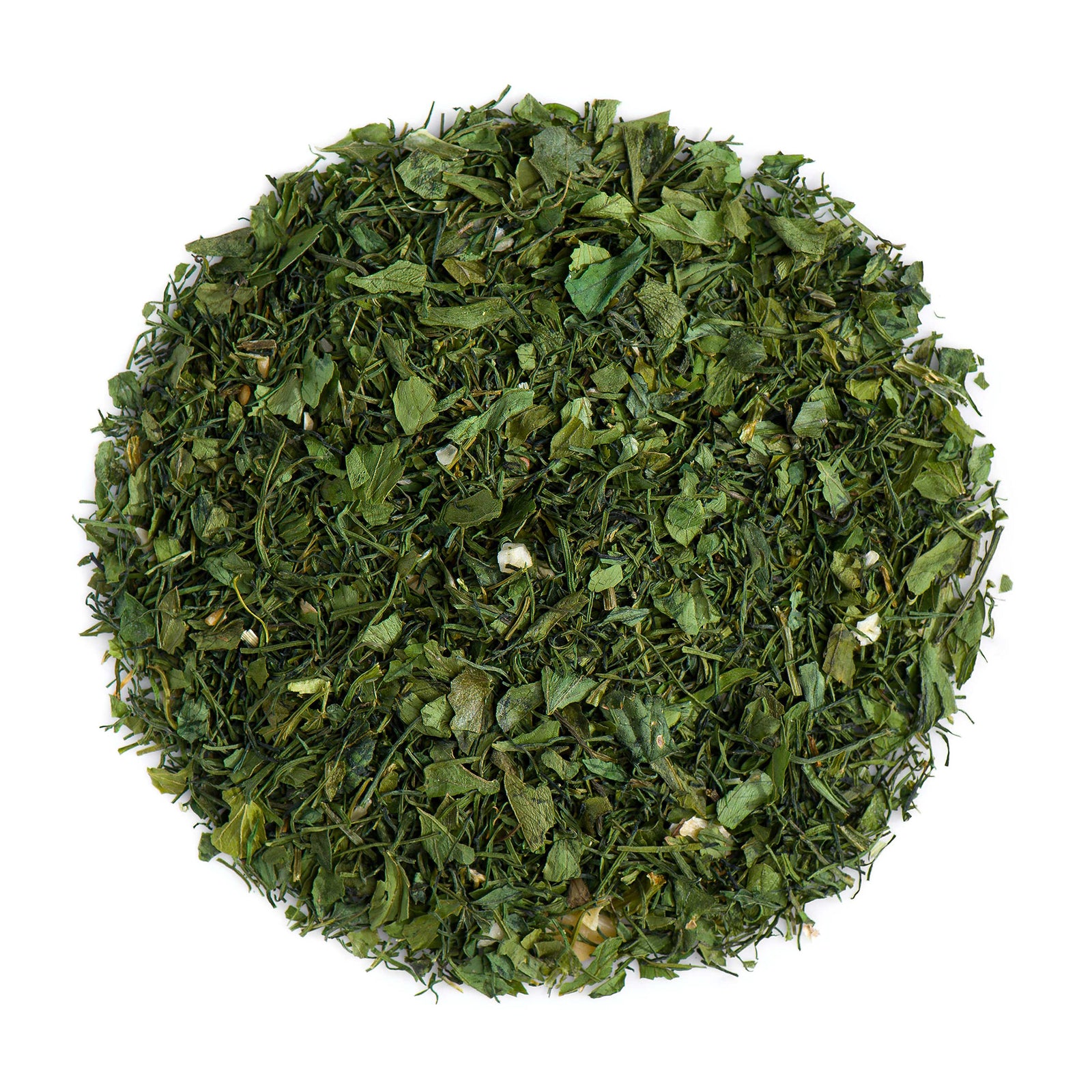
Lemon balm contains rosmarinic acid, flavonoids, and volatile oils like citral, and citral is the source of its fresh lemon aroma. A cup made from dried leaves is a simple brewed herbal tea, light in colour and lemony in taste.
Lemon balm tea has been served to young children in German households for hundreds of years, and it is still a familiar family tea there today. As with any new drink, start with a small amount, and ask your paediatrician if you have any doubts.
A long tradition does not mean "give freely without thought." Age matters, dilution matters, and frequency matters.
Age-Specific Guidelines for Giving Lemon Balm Tea to Children
The age of the child determines how much lemon balm tea is appropriate, and whether to involve a paediatrician first. Here is a practical breakdown:

Under 6 months: avoid entirely. No herbal teas at this stage, regardless of how mild. Breast milk or formula meets all nutritional and hydration needs. Introducing any other liquid at this age carries unnecessary risk and can interfere with feeding.
6-12 months: only with a paediatrician's guidance. Some European families offer very small, heavily diluted amounts of lemon balm tea occasionally at this age, but this is not routine and amounts vary from household to household. Always consult a paediatrician before giving any herbal tea to an infant under 12 months.
1-3 years: occasional and diluted. One small cup of 100-150 ml, brewed with roughly 1 g of dried lemon balm per 200 ml of water, is a sensible amount for this age group. Offer it occasionally, not as a daily habit.
3-12 years: one diluted cup a day. For children over 3, one standard cup of lemon balm tea a day is a sensible amount. A slightly weaker brew, around 1-1.5 g per 200 ml, steeped for 5-7 minutes at 85-90°C, is appropriate for this age group.
Customers with young children ask about lemon balm fairly often. The most common situation is a parent looking for a mild, caffeine-free drink a child will enjoy in the evening - typically the 3 to 8 age range. Lemon balm's citrusy, mildly sweet character is one of the easier herbal teas to get a child to accept without sweetening.
When Parents Serve Lemon Balm Tea to Children
Three situations come up most often when parents ask us about lemon balm tea for children.

An evening cup before bed. One small cup of mild lemon balm tea as part of the evening routine is a long-standing custom in many European households. The custom is a matter of tradition and taste, and it has been consistent across many European countries for centuries.
After a meal. Like peppermint, lemon balm is traditionally served as an after-dinner tea in many European homes. Served lukewarm, it is an easy drink to put on the table alongside a family meal. Its soft lemon flavour also suits fruit-based desserts.
A caffeine-free option for older children. Older children often take to lemon balm tea as a caffeine-free alternative to soft drinks. Chilled, it makes a refreshing iced tea. Lemon balm tea is a drink, not a treatment: if you have any concerns about your child's health, talk to your paediatrician.
The flavour works well with children: the citrusy, mildly minty taste with a soft floral finish is easy to accept without sweetening. We source certified organic Melissa officinalis as whole dried leaf from European growers. The citral content gives lemon balm its lemon character, and quality drops fast if the herb is stored poorly. Fresh, well-stored leaf makes a noticeably brighter cup.
Lemon balm is one of the first herbs I mention when parents ask for a mild-tasting, caffeine-free tea children will enjoy. The flavour acceptance rate is high compared to most herbal teas. Alongside it, I often suggest chamomile for a softer, apple-like evening cup, or fennel for a sweeter, aniseed-like one. For older children in the 8-12 range, our whole-leaf lemon balm blends well with chamomile as a straightforward starting point.
The Key Is Dilution and the Right Age
Lemon balm tea is a mild-tasting herbal tea with a long history of being served to children in European tradition. The key factors are simple: no tea under 6 months, always dilute for young children, offer it occasionally rather than as a daily habit in toddlers, and keep amounts age-appropriate for under-12s.
Our lemon balm is whole-leaf, certified organic Melissa officinalis, sourced from European growers. If you are looking for a mild herbal tea that children will actually drink, the flavour alone makes it one of the more practical choices.

Lämna en kommentar
Kommentarer granskas innan de visas.
Mer i Valley of Tea Blog | Tea Guides, Origins & Brewing Tips
The Complete Guide to Drinking Tea
What tea is, how the main types differ in the cup, and how to brew each one properly. Water temperature, steeping times, storage and how to get more than one cup from your leaves.
Läs mer
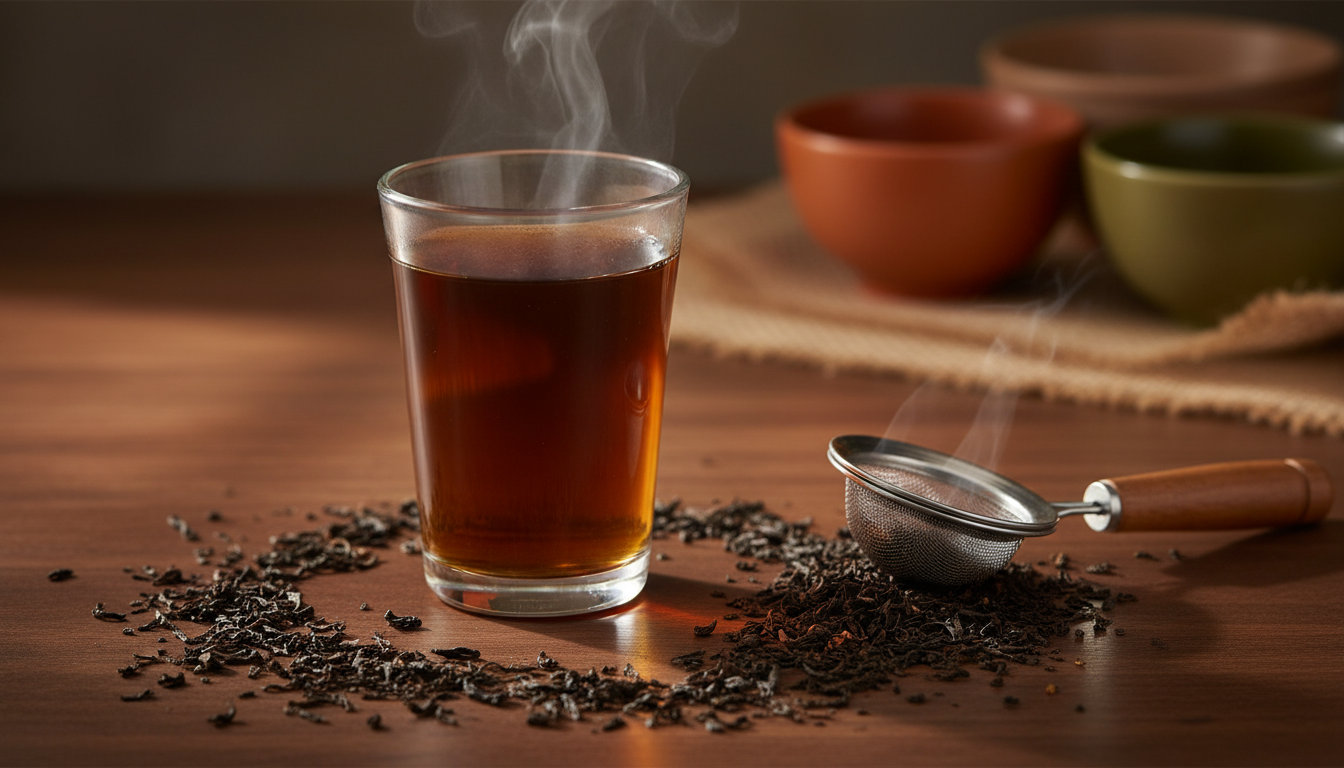

Black Tea: Types, Processing, and How to Brew It
Black tea is fully oxidized Camellia sinensis. Compare Assam, Darjeeling, Keemun, and Ceylon varieties. Learn processing, brewing, and caffeine levels.
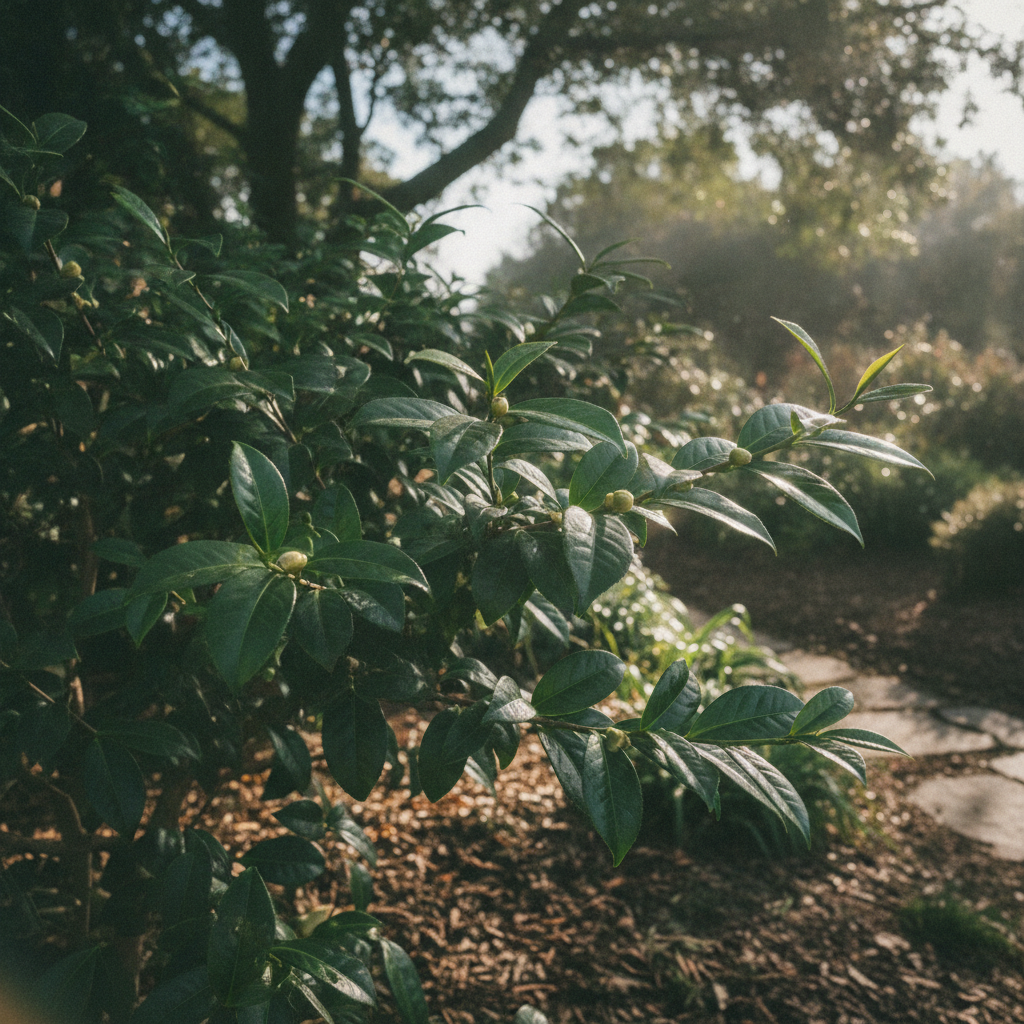

How To Grow Black Tea
Learn how to grow black tea at home: soil, climate, and the five processing steps from fresh leaf to a finished cup of black tea.

Visdom är vägen till bättre te.
Få vår kostnadsfria bryggguide: rätt vatten, temperatur och dragtid för varje te vi säljer. Du får också veta först när nya skördar kommer in.
Ingen skräppost. Avsluta när du vill.
Kolla din inkorg.
Guiden är på väg.