












Lemon Balm Plant Tea
Lemon balm plant tea is one of the simplest herbal teas to make well, and one of the easiest to make poorly. Melissa officinalis has been cultivated across Europe for over 2,000 years, and the tea form remains the most direct way to get the plant's aromatic compounds into the cup daily.
What most guides skip is this: the plant's citrusy volatile oils peak just before flowering, which means harvest timing is not a minor detail. It shapes what you actually taste. If the leaf was harvested late or stored warm, the lemon character fades fast. That is where sourcing starts to matter.
What Is Lemon Balm and Where Does It Come From?
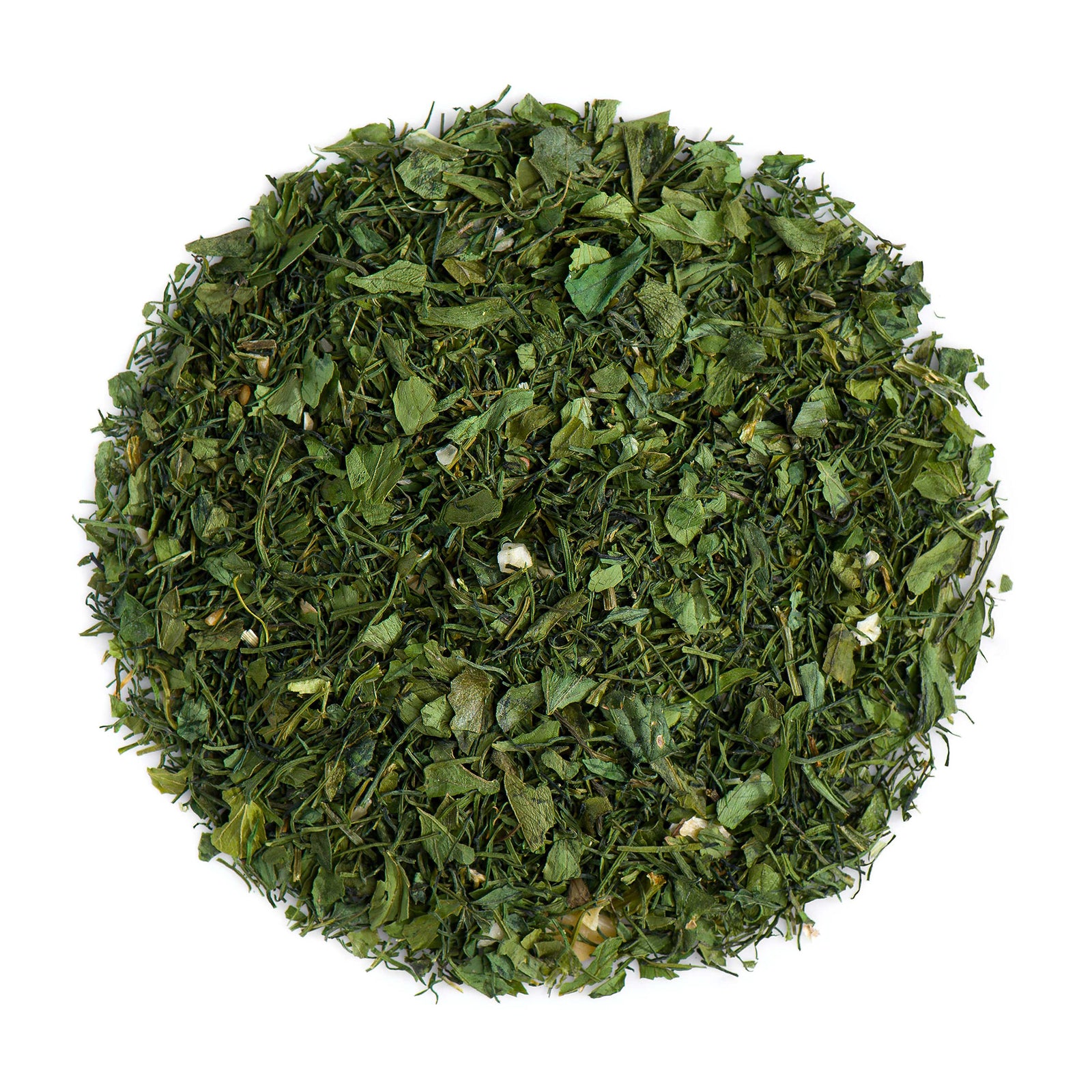
Lemon balm (Melissa officinalis) is a member of the mint family, native to southern Europe and western Asia. Today it is cultivated widely across Eastern Europe and North Africa, with production concentrated in regions where the climate produces high volatile oil density in the leaf.

Three aromatic compounds define what you taste and smell in the cup: rosmarinic acid, citral, and citronellal. Citral gives the tea its bright lemon character. Citronellal adds a slightly floral, almost herbal warmth underneath. Rosmarinic acid contributes to the mild astringency you notice at the end of the sip.
These compounds are the reason quality and origin matter so much with lemon balm. Citral degrades quickly in poorly dried or old leaf. I have tasted lemon balm from different Eastern European producers side by side, and the difference between a fresh, properly air-dried leaf and one stored warm for six months is stark. One smells unmistakably of fresh lemon. The other smells faintly of hay.
We source our dried lemon balm from certified organic producers with traceable harvest dates. That traceability tells us which growing season the leaf came from and whether the timing aligns with pre-flowering harvest windows, when the volatile oils are at their highest concentration.
How to Make Lemon Balm Plant Tea at Home
The right way to brew lemon balm leaf tea depends on whether you are using fresh or dried leaf. The parameters differ, and getting the water temperature wrong is the most common reason the cup comes out flat.

Fresh leaf: Use 6-8 large leaves per 250ml cup. Bruise them gently before steeping, fold and press between your fingers to break the cell walls and release the aromatic oils. Steep in water at 80-85°C for 5-7 minutes.
Dried leaf: Use 1-2 teaspoons per 250ml. Water temperature should be around 90°C, not a full boil. The reasoning is the same as with fresh leaf: citral and citronellal are volatile compounds. Boiling water at 100°C drives the aromatics out of the cup as steam before you drink it. 5-8 minutes is the right steep range for dried lemon balm.
One step most people miss: cover the cup while steeping. A small plate or lid works fine. The aromatic oils evaporate above the water surface, and if the cup is open, you lose a meaningful share of what makes lemon balm worth brewing.
Avoid steeping beyond 8 minutes. The rosmarinic acid extracts cleanly within that window. Beyond it, the tea can tip toward bitter without gaining more of the lemon character you are steeping for.

I tend to use a small teapot with a lid for most herbs, and lemon balm is no different. A covered vessel during steeping makes a more noticeable difference with lemon balm than with almost any other dried herb, because the citral aromatics escape readily with steam. Whatever vessel you use, covering it is the habit worth keeping.
Lemon Balm Compounds, Tradition and Cautions
The chemistry of lemon balm is more specific than most herbal tea content acknowledges, and it is worth reading carefully rather than summarising loosely.
Rosmarinic acid is a polyphenol shared with rosemary, sage and other mint-family herbs. In lemon balm it sits alongside citral and citronellal, the compounds that carry the aroma. Citral is the same compound that gives lemongrass and lemon peel their bright scent. A brewed cup uses 1-2g of dried leaf, and we sell it for its flavour and aroma.

In European kitchens, Melissa officinalis leaf has long been used in salads, fruit dishes, sauces and herbal infusions. The plant has grown in European monastery and kitchen gardens for centuries, which is where much of that culinary use comes from.
If you take sedative medications or thyroid medication, speak with a doctor before making lemon balm tea a daily habit, as some interactions have been noted in the research literature.
Fresh vs Dried Lemon Balm: Which Makes Better Tea?
Fresh lemon balm leaf has stronger aromatic intensity. Cut a sprig just before flowering and the volatile oils are at their peak. The problem is the window is short. Fresh leaf degrades within hours of harvest: the oils oxidise, the lemon scent softens, and what was bright and sharp becomes muted. Unless you grow your own and brew immediately, fresh leaf is hard to rely on for consistent results.
Dried leaf from a quality source is more consistent. Air-dried leaf, stored in a sealed container away from light and heat, retains roughly 60-70% of its volatile oil content compared to fresh-harvested leaf. That is enough to produce a clearly citrusy, aromatic cup, provided the leaf was not already old when you bought it and has been stored correctly since.

As I describe it to customers: lemon balm is one of our most versatile herbs. It works well solo or in blends. The citral content is what gives it the lemon character, and quality drops fast if stored poorly. If the dried leaf you have does not smell strongly of lemon when you open the tin, it has already lost the main thing that makes it worth using.
For daily use, dried organic lemon balm leaf from a traceable source offers better consistency than relying on garden-grown fresh. Growing your own gives you the freshest possible leaf at peak season, but the supply is uneven and timing-dependent. A well-sourced dried leaf covers the rest of the year without compromising on flavour.
Conclusion
The single most important thing you can do when brewing lemon balm plant tea is cover the cup. The volatile oils that define Melissa officinalis tea are aromatic compounds that evaporate above the waterline. A covered steep at 90°C for 5-8 minutes with 1-2 teaspoons of dried leaf preserves what the plant actually contains.
The second thing is to pay attention to where the leaf comes from and when it was harvested. A well-dried, properly stored lemon balm retains most of what makes it distinct. An old or poorly stored one does not, regardless of the label. Source matters more than brand. If you want to start with a leaf we know the history of, our certified organic lemon balm is available loose in the shop.

Related Articles
Zostaw komentarz
Komentarze są zatwierdzane przed publikacją.
Więcej w Valley of Tea Blog | Tea Guides, Origins & Brewing Tips
The Complete Guide to Drinking Tea
What tea is, how the main types differ in the cup, and how to brew each one properly. Water temperature, steeping times, storage and how to get more than one cup from your leaves.
Czytaj dalej
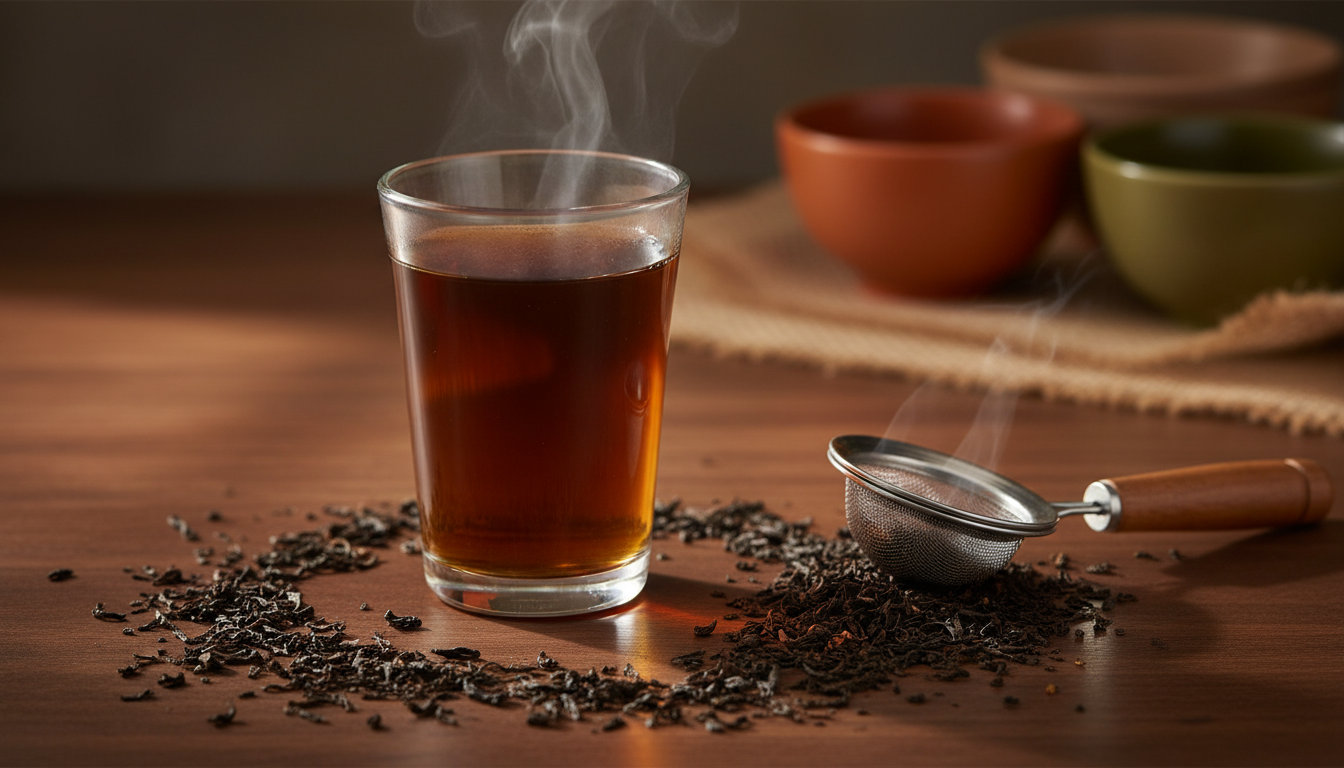

Black Tea: Types, Processing, and How to Brew It
Black tea is fully oxidized Camellia sinensis. Compare Assam, Darjeeling, Keemun, and Ceylon varieties. Learn processing, brewing, and caffeine levels.
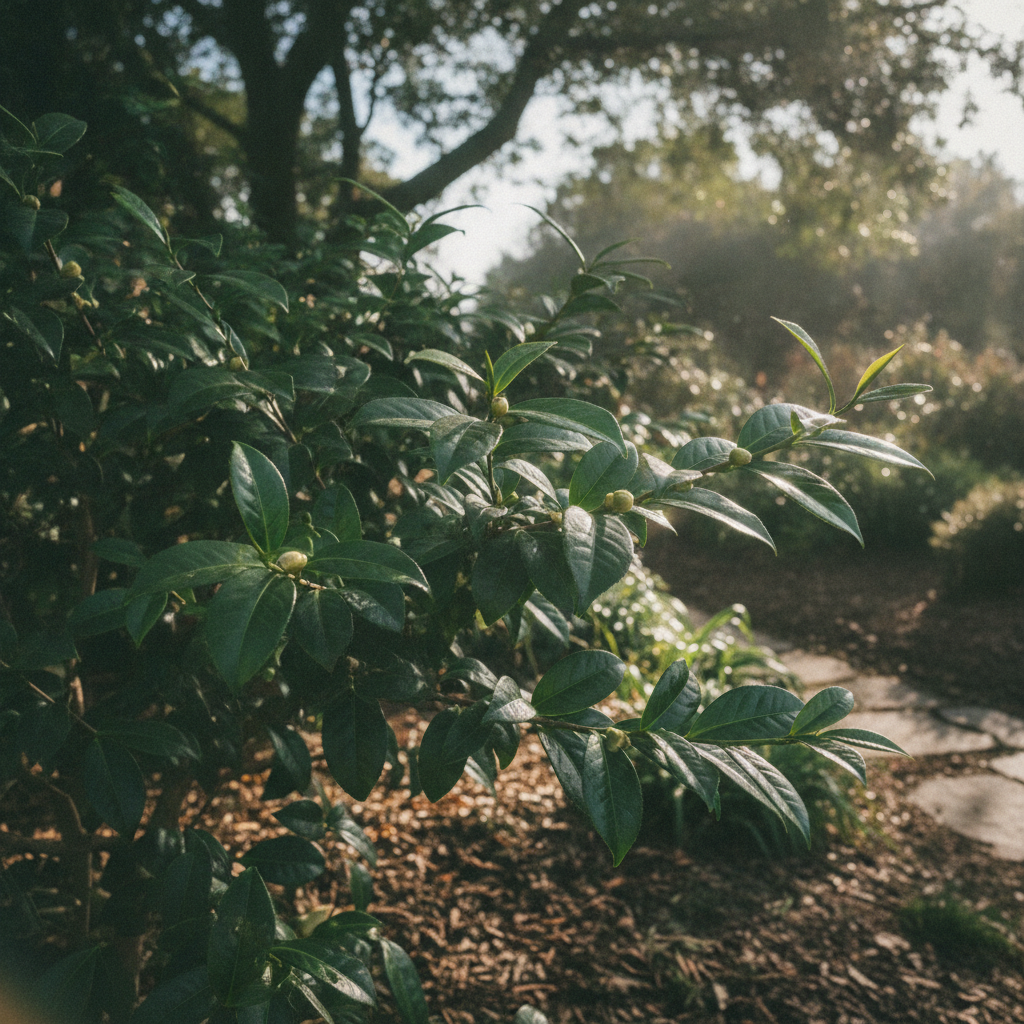

How To Grow Black Tea
Learn how to grow black tea at home: soil, climate, and the five processing steps from fresh leaf to a finished cup of black tea.

Mądrość to droga do lepszej herbaty.
Bezpłatny przewodnik parzenia: właściwa woda, temperatura i czas parzenia dla każdej herbaty z naszej oferty. Informacje o nowych zbiorach trafiają najpierw do subskrybentów.
Bez spamu. Rezygnacja w każdej chwili.
Prosimy sprawdzić skrzynkę.
Przewodnik jest w drodze.