












Assam vs English Breakfast: Bold Black Tea
Two of the most popular black teas in the world share more in common than most people realize. Assam and English Breakfast both deliver a strong, full-bodied cup.


Both take milk well. Both work as morning teas. So what actually separates them?
The answer comes down to origin and composition. One is a pure single-origin tea. The other is a blend designed for consistency. Understanding the difference between assam vs english breakfast helps you pick the right tea for your taste, your routine, and your preferred brewing style.
Single Origin vs Blend
Assam is a single-origin tea grown in the Assam region of northeast India, in the Brahmaputra River valley. All Assam tea comes from the Camellia sinensis var. assamica plant, a broad-leafed variety that thrives in the region's hot, humid climate.
English Breakfast is a blend. There is no single recipe.
Each producer combines teas from different regions to achieve a particular flavor profile. Most English Breakfast blends include Assam as a base, often mixed with teas from Ceylon, Kenya, or occasionally Keemun from China. The goal is a balanced, repeatable cup rather than a reflection of one place.
Two Very Different Histories
Assam is one of the tea plant's two native homes. When Scottish trader Robert Bruce encountered tea growing wild in the Brahmaputra valley in 1823 — cultivated and brewed by the Singpho people, who had been drinking it for generations — it was the first confirmation that tea existed outside the Chinese tradition. The plant turned out to be a distinct variety, larger-leafed and more vigorous in tropical heat than its Chinese cousin. Within a few decades the valley had become the largest tea-growing region on earth, a position it still holds.
English Breakfast has a shorter and murkier story. The style — a strong black blend built to take milk and accompany a substantial morning meal — took shape in the nineteenth century, and several countries and tea houses claim to have invented the name. None of the claims settles the matter, and it hardly matters: there was never a fixed recipe to own. English Breakfast has always been an idea rather than an origin.
Flavor Profiles

Assam tea is malty, bold, and slightly brisk. It has a deep copper-red liquor and a full-bodied body that holds up under milk and sugar without losing its identity. Some Assam teas carry notes of honey or dried fruit, but the dominant impression is always that distinctive malt sweetness paired with strength.

English Breakfast aims for balance. The blend smooths out the sharper edges you might find in a single-origin cup. It is full-bodied but rounder, with less of the assertive malt punch. The flavor tends toward a clean, slightly tannic finish that works across a range of situations.
Orthodox and CTC: How the Leaf Is Processed
Assam reaches the market in two forms. Orthodox production rolls the withered leaf whole, preserving long, wiry leaves — often with golden tips — that brew a layered cup where the malt shares space with honey and dried-fruit notes. CTC (crush-tear-curl) machinery instead shreds the leaf into small, uniform pellets that brew fast, strong, and consistent. Most CTC Assam goes into teabags and Indian chai, where speed and strength are the point.
This distinction matters for the comparison: many English Breakfast blends are built on CTC or broken-grade leaf precisely because consistency is the goal. A loose-leaf orthodox Assam will show you more of what the region can do than any blend built from it.
Best Uses
Assam is a natural choice for anyone who takes their tea with milk. The malty depth and full body stand up to dairy without becoming diluted. It is the backbone of traditional Indian chai for exactly this reason. Our Assam is sourced from the second flush harvest, when malt character is at its peak.
English Breakfast is more versatile. It works with milk, without milk, with lemon, or on its own. It pairs well with a full breakfast but does not overpower lighter foods. Its consistency also makes it a reliable everyday tea.
Brewing Differences

Both teas brew at full boiling water, around 100°C. Steep times differ slightly based on desired strength.
Assam does well with a 3 to 4 minute steep. Going beyond 4 minutes increases bitterness quickly. If you are making it for milk tea, a slightly longer steep can work since the milk tempers the tannins.
English Breakfast is more forgiving. A 3 to 5 minute steep suits most blends. Because the blend is designed for balance, it does not punish you as sharply for an extra 30 seconds in the pot.
Caffeine: Roughly Equal, With a Slight Edge to Assam
Both teas sit at the stronger end of the caffeine range, with a typical cup delivering around 40-70 mg depending on leaf quantity and steep time. Assam often lands near the top of that range: the assamica variety is naturally somewhat higher in caffeine than the Chinese tea plant, which adds to the brisk, slightly bitter edge of the region's teas. An English Breakfast blend's caffeine depends on its components — Kenyan teas run strong, Keemun milder — but in practice the difference between the two cups is small. Either one works as a morning cup.
What to Look For When Buying
For Assam, the words worth finding on a label are "second flush" — the early-summer harvest when the malty character peaks and golden tips appear on the leaf. Single-estate teas cost more than generic Assam and usually justify it. For English Breakfast, the blend's composition is the tell: a producer willing to say what is in the blend — Assam and Ceylon, say, or Assam and Kenyan — is generally more careful than one selling an anonymous "black tea blend". In both cases, whole or large broken leaf beats fannings and dust for flavor, and a recent production date beats a bargain.
Which One to Choose

The choice between assam vs english breakfast depends on what you want from your cup. If you prefer a tea with strong character, a distinctive malt flavor, and a specific origin story, go with Assam. If you want a reliable, well-rounded tea that suits different occasions and meals, English Breakfast is the practical choice. Our English Breakfast blends Assam with Ceylon for a clean, balanced cup.
Many tea drinkers keep both on hand. Assam for the mornings when you want something bold.
English Breakfast for everything else. Neither is objectively better. They serve different purposes.
Related Articles
Leave a comment
Comments will be approved before showing up.
Also in Valley of Tea Blog | Tea Guides, Origins & Brewing Tips
The Complete Guide to Drinking Tea
What tea is, how the main types differ in the cup, and how to brew each one properly. Water temperature, steeping times, storage and how to get more than one cup from your leaves.
Read More
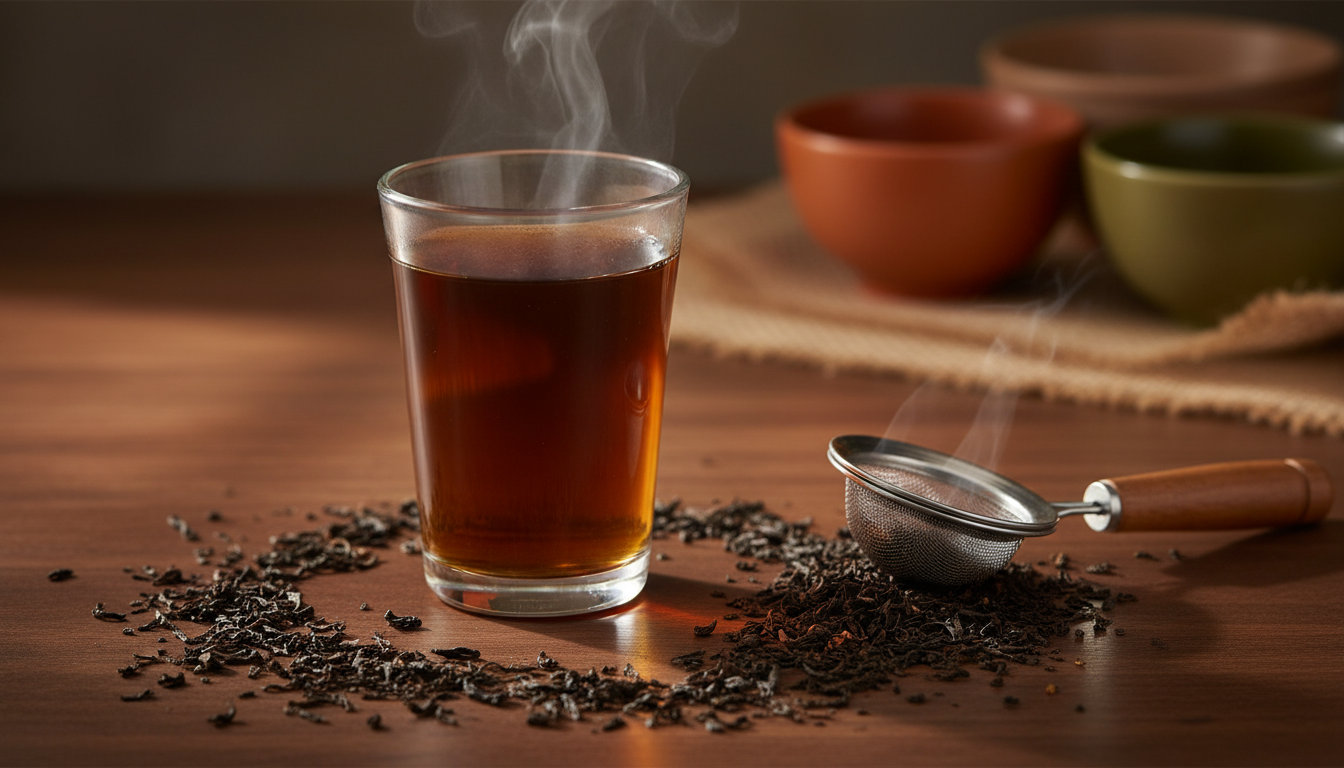

Black Tea: Types, Processing, and How to Brew It
Black tea is fully oxidized Camellia sinensis. Compare Assam, Darjeeling, Keemun, and Ceylon varieties. Learn processing, brewing, and caffeine levels.
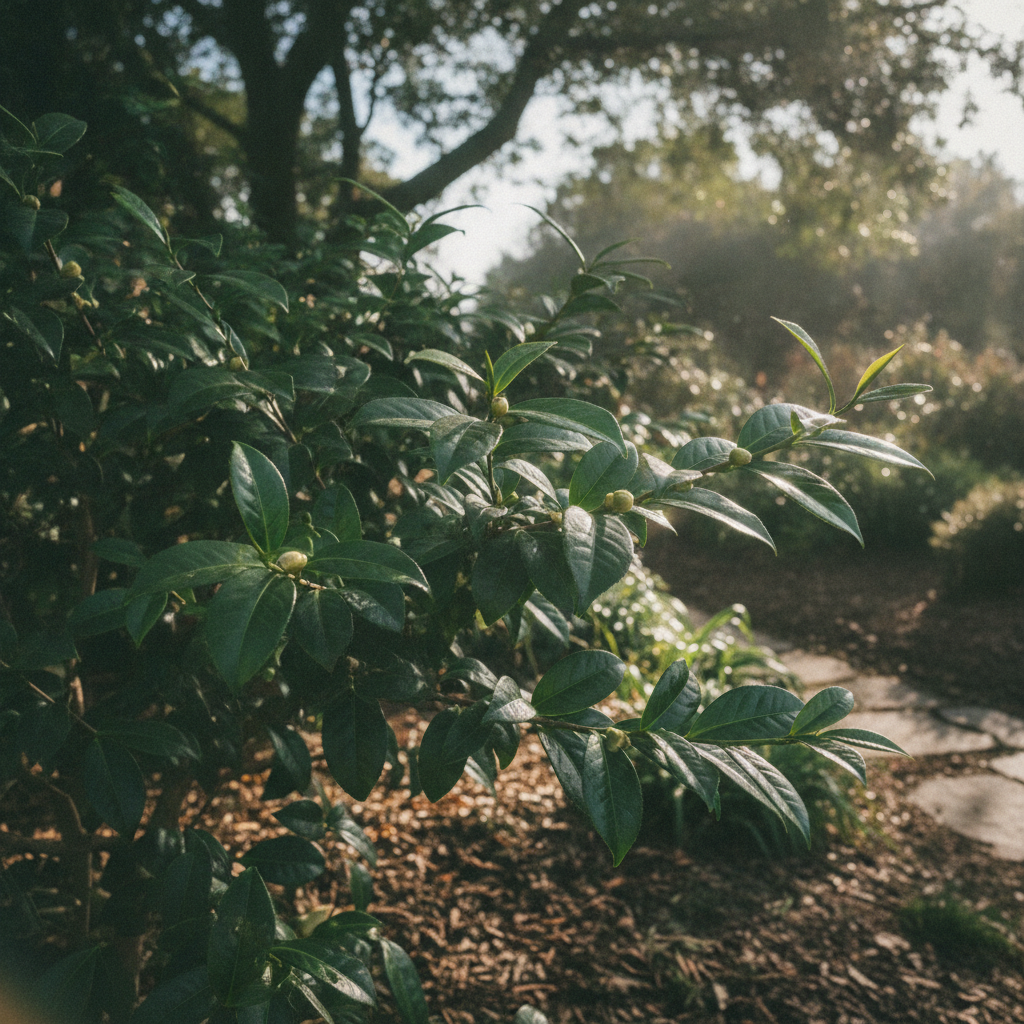

How To Grow Black Tea
Learn how to grow black tea at home: soil, climate, and the five processing steps from fresh leaf to a finished cup of black tea.

Wisdom is the path to better tea.
Get our free brewing guide: the right water, heat and timing for every tea we sell. You will also hear it first when new harvests arrive.
No spam. Unsubscribe any time.
Check your inbox.
The guide is on its way.